In the press
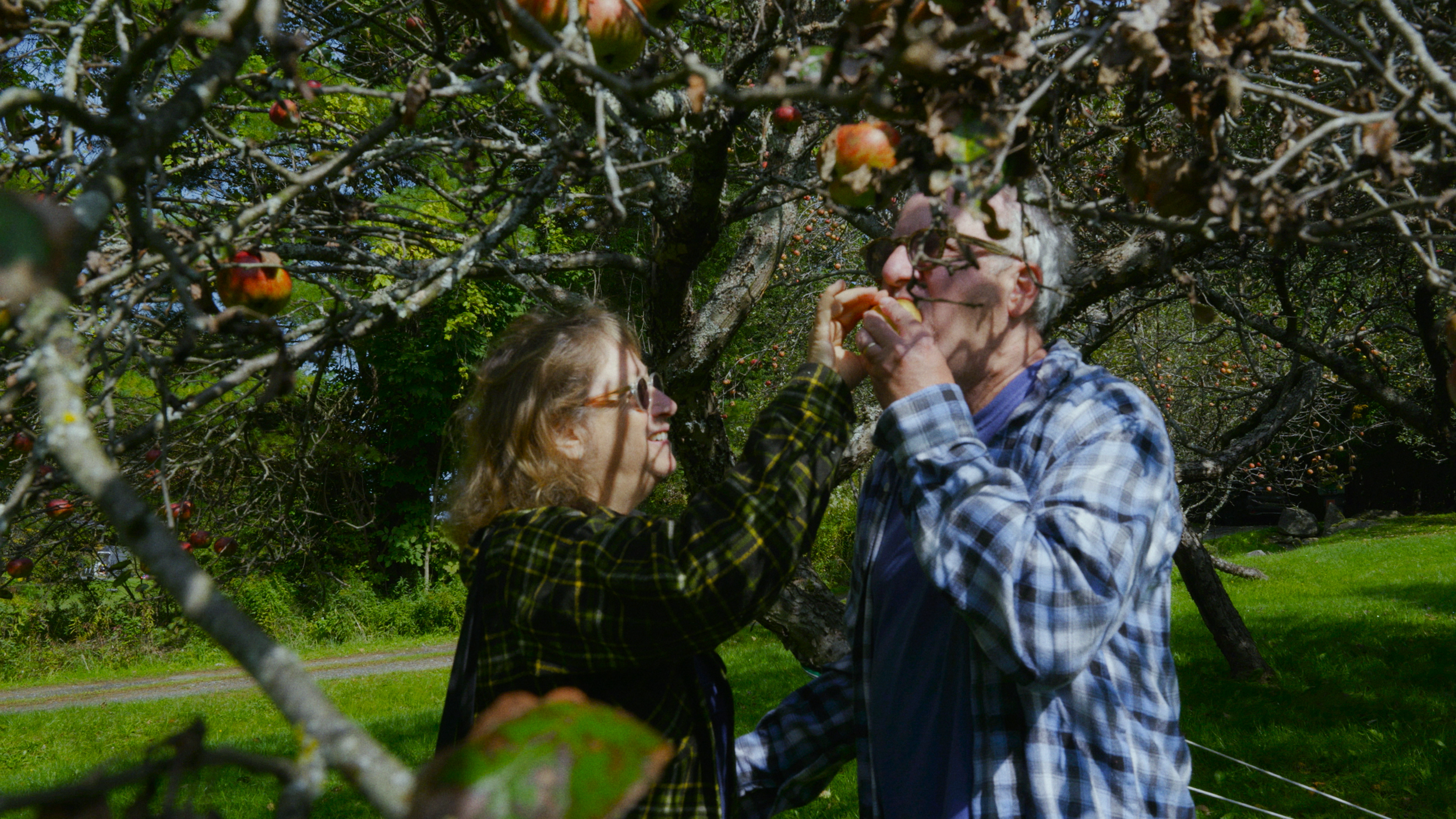
Former Thacher employee’s Alzheimer’s journey profiled in ‘Walk With Me’
By Robin Gerber, Special to the Ojai Valley News
Conversation with Joanne vrakas and heidi levitt - WALK WITH ME
cjad 800 with joanne vrakas
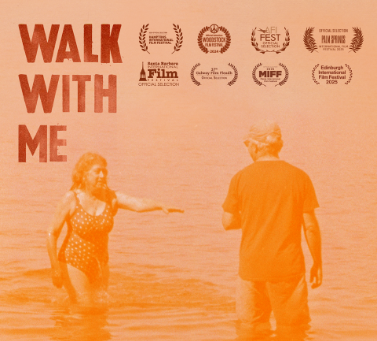
Film maker Heidi Levitt interviewed by CJAD’s Joanne Vrakas about “Walk With Me”
Exploring the grey zones of caring for a loved one with Alzheimer's disease
Daybreak Montreal with Sean Henry
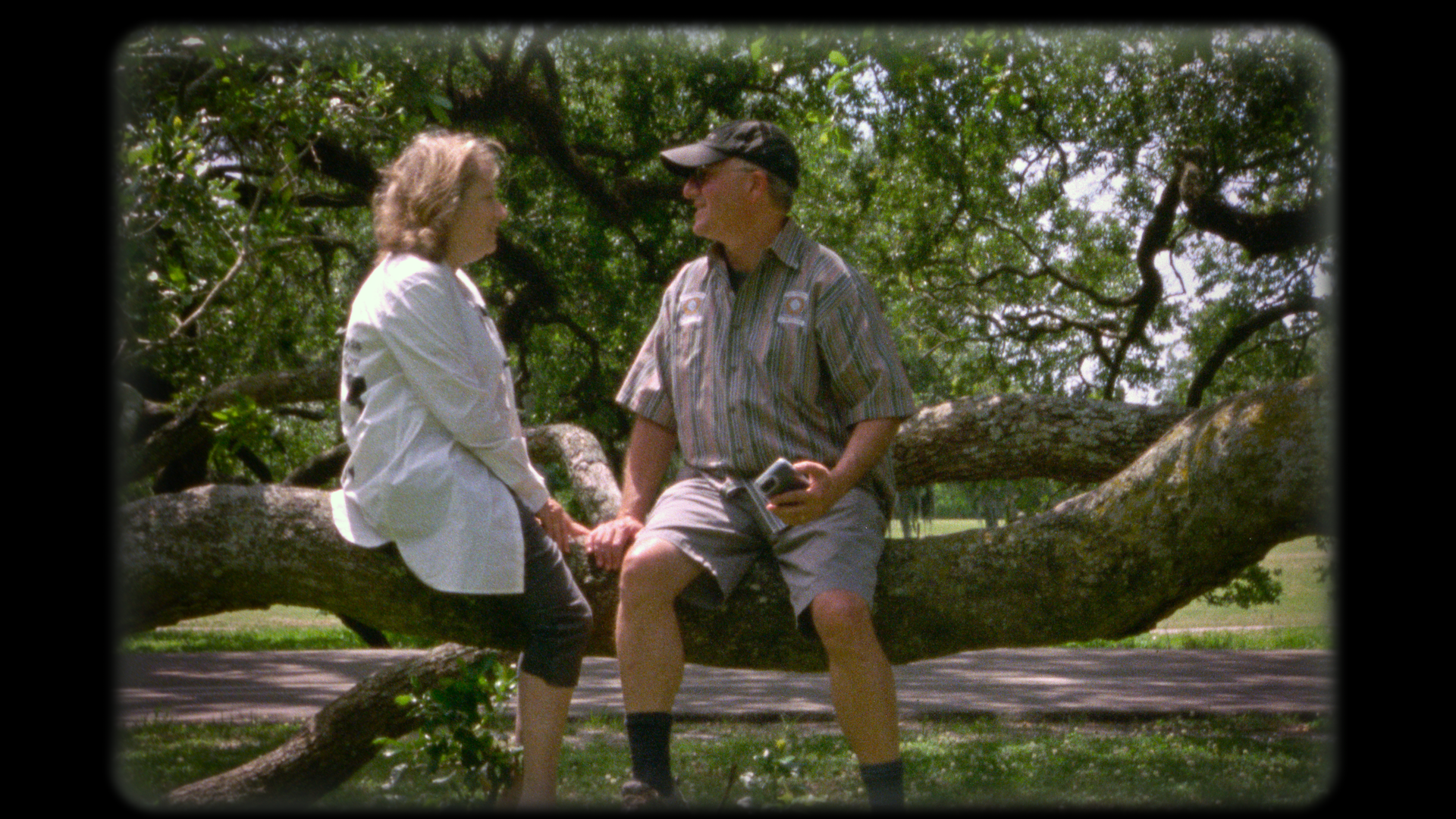
"Walk With Me" follows former Montrealer, Heidi Levitt, in her journey as her husband's caregiver. Levitt talked with Daybreak about what motivated her to make this movie.
ALZHEIMER’S ISN’T SUGERCOATED IN EX-MONTREALER’S DEEPLY PERSONAL DOCUMENTARY
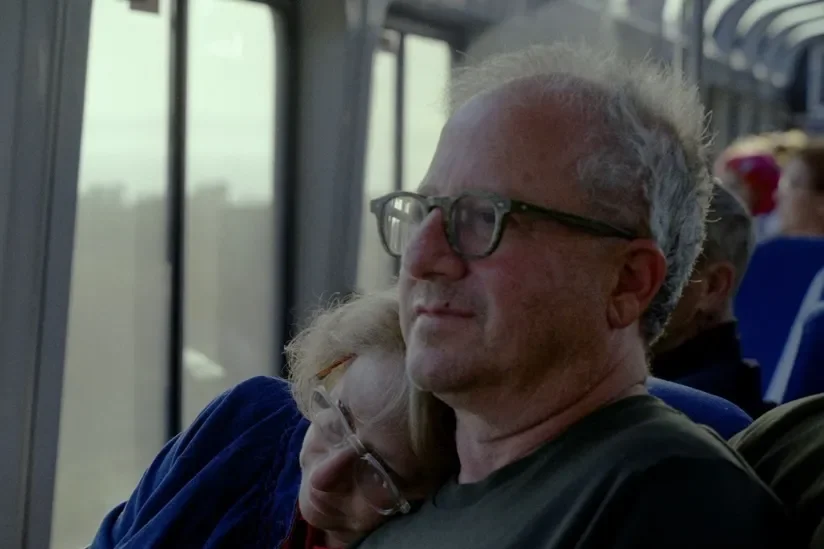
THE GAZETTE | By SUSAN SCHWARTZ
When he received a diagnosis of early-onset Alzheimer’s disease in 2019, Charlie Hess was only 57. He’d been feeling foggy, he said.
His wife, Heidi Levitt, a Los Angeles casting director and Montreal native, has made a deeply personal film documenting their journey as they navigated the diagnosis and its effect in real time over a four-year period.
Walk With Me has its Montreal première on Wednesday, May 20..
Walking Beside Alzheimer’s: On Love, Caregiving, and Storytelling
The hart of it all with teri hart
In this deeply personal episode of The Hart of It All, host Teri Hart is joined by filmmaker and casting director Heidi Levitt, who shares her journey as a caregiver to her husband, Charlie Hess, following his diagnosis of early-onset Alzheimer’s.
‘Walk With Me’ Explores The Work of Staying

VMagazine | By Sinead McInerney
In Walk With Me, Heidi Levitt does something radical. There are no swelling arcs, no tidy awakenings, no promises of redemption. Instead, the film about her husband’s diagnosis of early-onset Alzheimer’s lingers with what most narratives avoid: care as a daily practice, grief without a finish line, love without guarantees.
Heidi Levitt Found the One Actor Who Couldn’t Be Directed: Her Husband
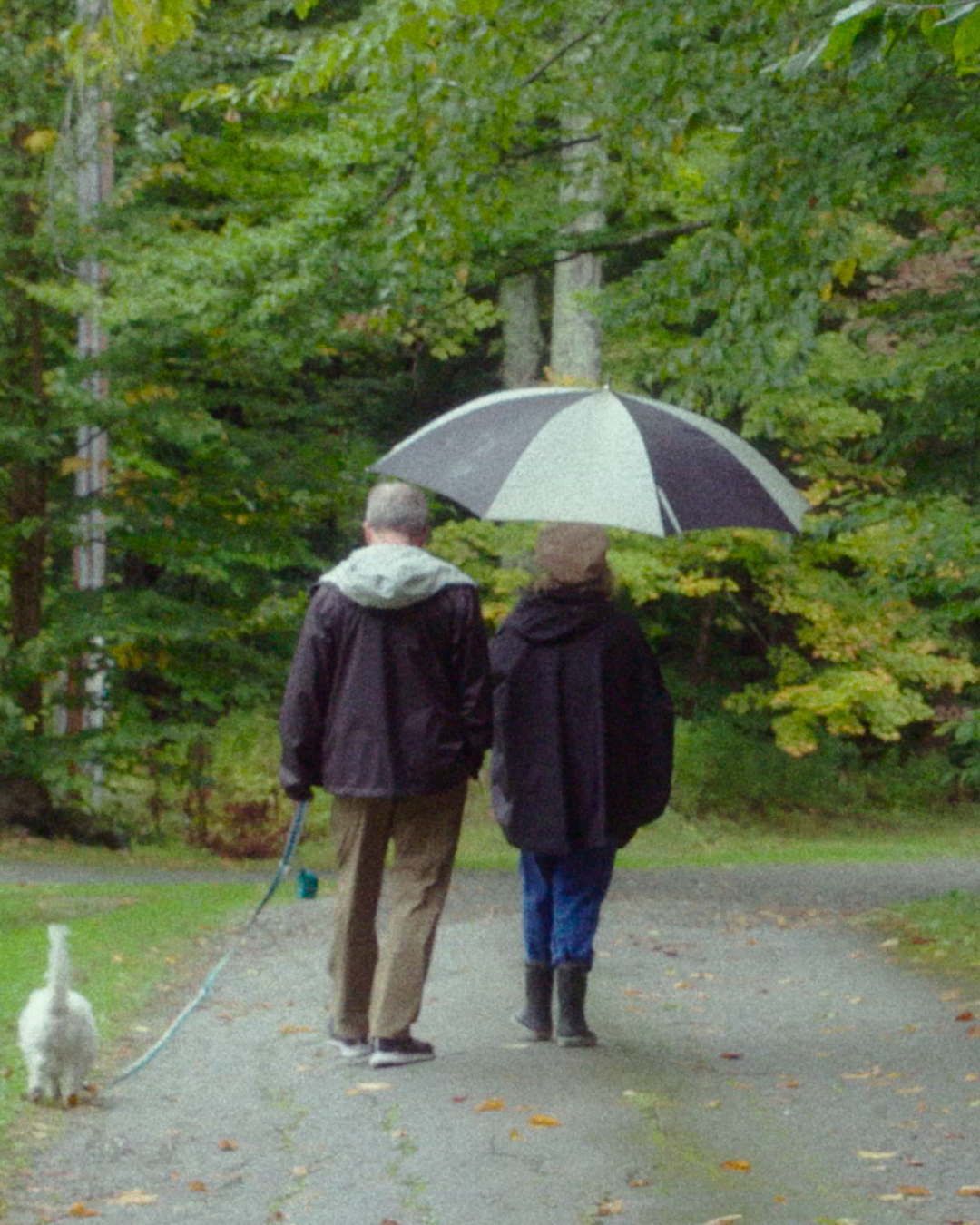
Indiewire | By jim hemphill
“I always say this is not the movie I wanted to make, this is the movie I had to make,” Levitt told IndieWire in a recent interview about her new documentary “Walk With Me.” A personal portrait of Heidi and Charlie’s quest to better understand and find treatment for his condition as it progresses, “Walk With Me” is both a moving portrait of the evolution of a marriage and a potent piece of advocacy for more open discussions of Alzheimer’s and the role of caregivers in America.
Alzheimer's and the Caregiver Crisis
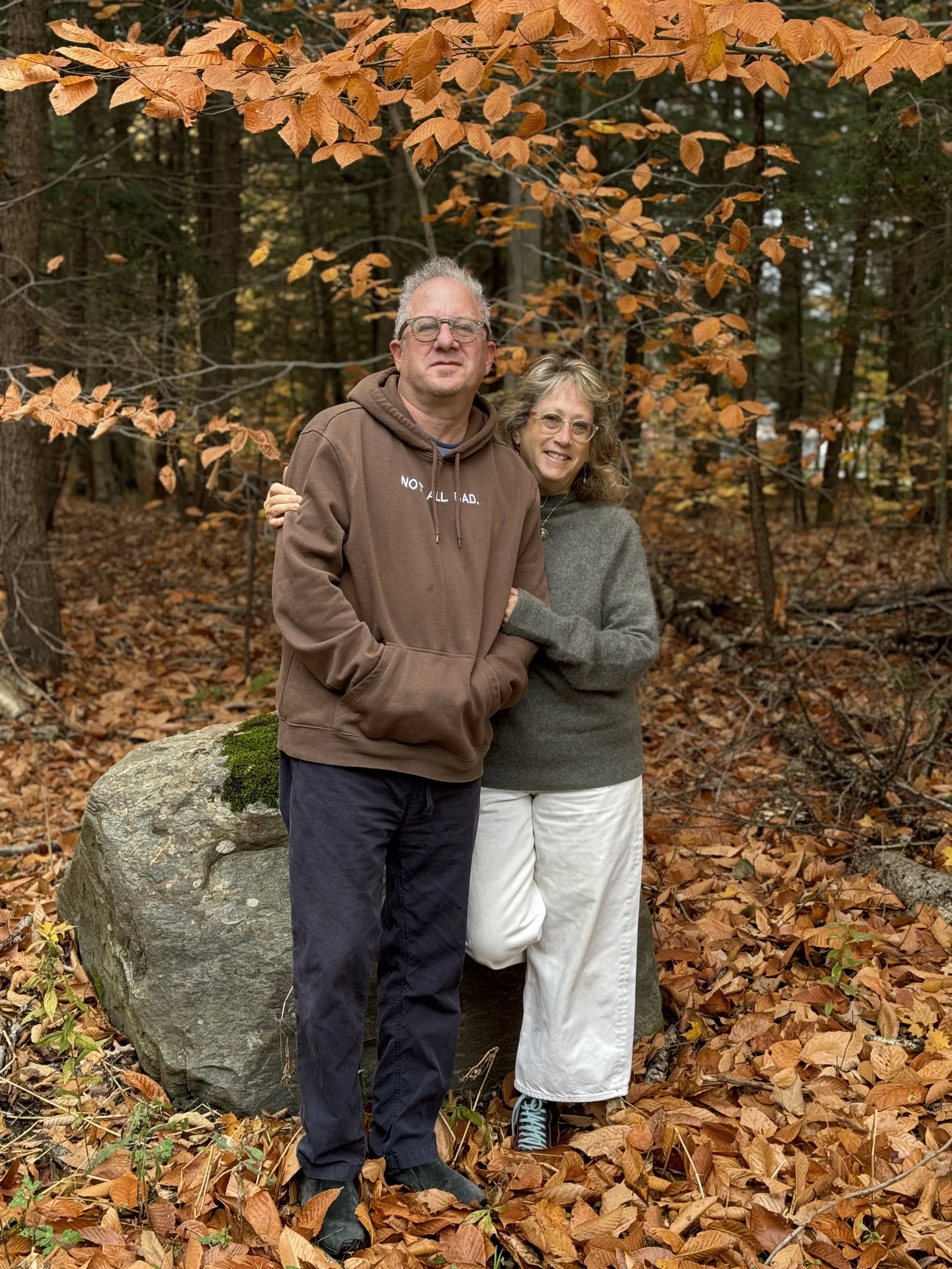
psychology today | By Greg O'Brien
The threshold of real-life hell opened wide for Levitt seven years ago when her husband Charlie was diagnosed at 57 with Early Onset Alzheimer’s—a disease, that experts say, can take 20 years or more to run its twisted course. Yet a diagnosis is not confirmation of the onset of Alzheimer’s. Like cancer, one doesn’t get Alzheimer’s on the day of a diagnosis; the disease creeps in slowly.
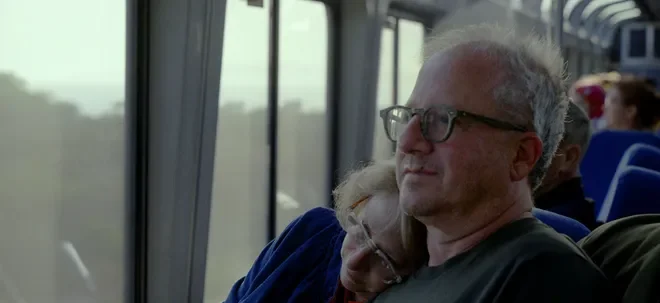
My third act is that of caregiver. I know I can't do this alone.
USA TODAY | By Heidi Levitt
Director Heidi Levitt reflects on the emotional and logistical challenges of caring for her husband, and how caregiving impacts the entire family. This piece highlights the invisibility and exhaustion of unpaid caregiving, which millions of Americans shoulder without support.
Walk with me reviewed by overly honest reviews at the theatrical release
Overly Honest Reviews | By Chris Jones
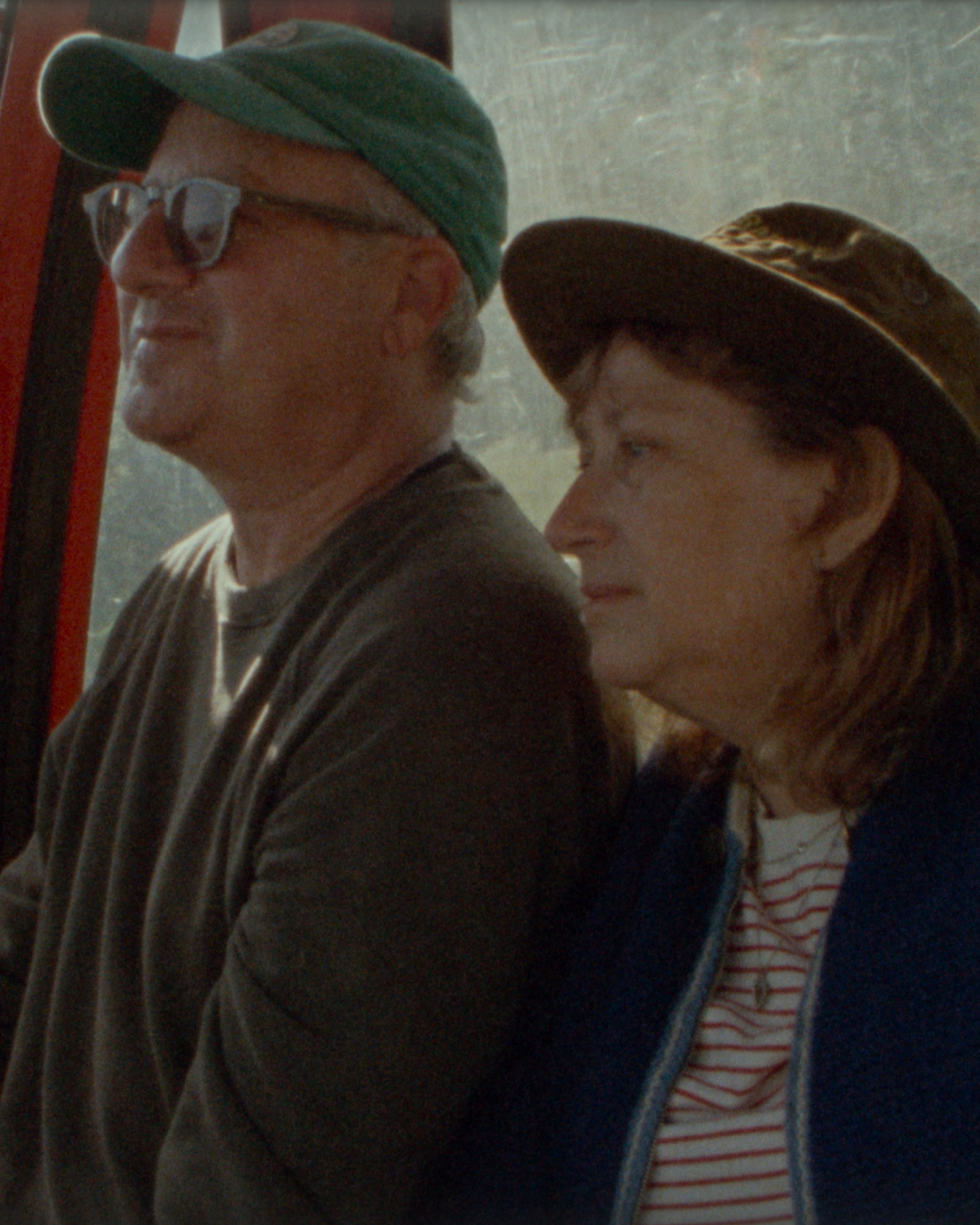
RAVING REVIEW: WALK WITH ME is exactly what its title promises: an invitation to stay present as a marriage reshapes itself around early-onset Alzheimer’s. Shot over four years by filmmaker and casting director Heidi Levitt, the film tracks her husband, Charlie Hess—an artist, father, and community builder—through the incremental changes that a diagnosis brings. There’s no manufactured drama here. Instead, we get the paces of real life: clinic visits, family conversations, small victories, and the tougher days when words slip, plans falter, and the world narrows.
The realities of caring for a loved one with dementia

VERMONT PUBLIC RADIO | By Mikaela Lefrak, Andrea Laurion
Filmmaker and casting director Heidi Levitt tells the story of her husband Charlie Hess's early-onset Alzheimer's with Vermont Public in advance of the Vermont International Film Festival
walk with me reviewed the wee review at the Edinburgh festival

THE WEE REVIEW | Kevin Ibbotson-Wight
Walk With Me is by its nature an emotional watch, as we know there is only one way the story can go. Yet it’s very much a love story as Heidi coaxes her husband through the most difficult think they’ll ever have to face.
walk with me reviewed by eye for film at the Edinburgh festival
eye for film | Andrew Robertson
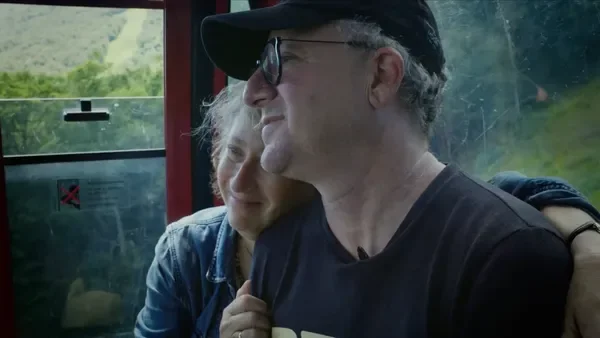
A deeply personal film, a labour of love, Walk With Me is a powerful examination of the impacts of Alzheimers on individuals and their relationships. It's an affirming reminder that art can help us as individuals and communities to make sense, to take stock, to identify the things that matter.
People living with Alzheimer's and their caregivers need more than hope

USA TODAY
Walk With Me director Hedi Levitt authored this an op-ed in USA TODAY on the search for a cure for Alzheimers and the necessity of honoring the people we love and the caregivers who ease their journeys.
CONNACHT TRIBUNE
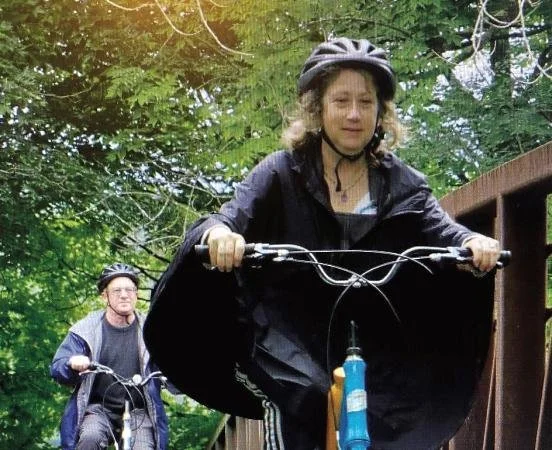
Walk With Me reviewed in the Connacht Tribune ahead of it’s Irish premiere at Galway Film Fleadh.
Heidi Levitt & cHARLIE hESS iNTERVIEWED AT sbiff
40th Santa Barbara International Film Festival

Watch the red carpet interview with Director Heidi Levitt and her husband, Walk With Me’s leading man, Charlie Hess at the premier of the film at the Santa Barbara International Film Festival
Charlie Hess, Heidi Levitt, and Joseph Burga Carpet Interview Walk with Me at sbiff 2025

LRM Online's Gig Patta spoke with Charlie Hess, Heidi Levitt, and Joseph Burga for Walk with Me on the red carpet for An Arrangement at the Santa Barbara International Film Festival 2025.
When her husband was diagnosed with early onset Alzheimer's, She started Filming
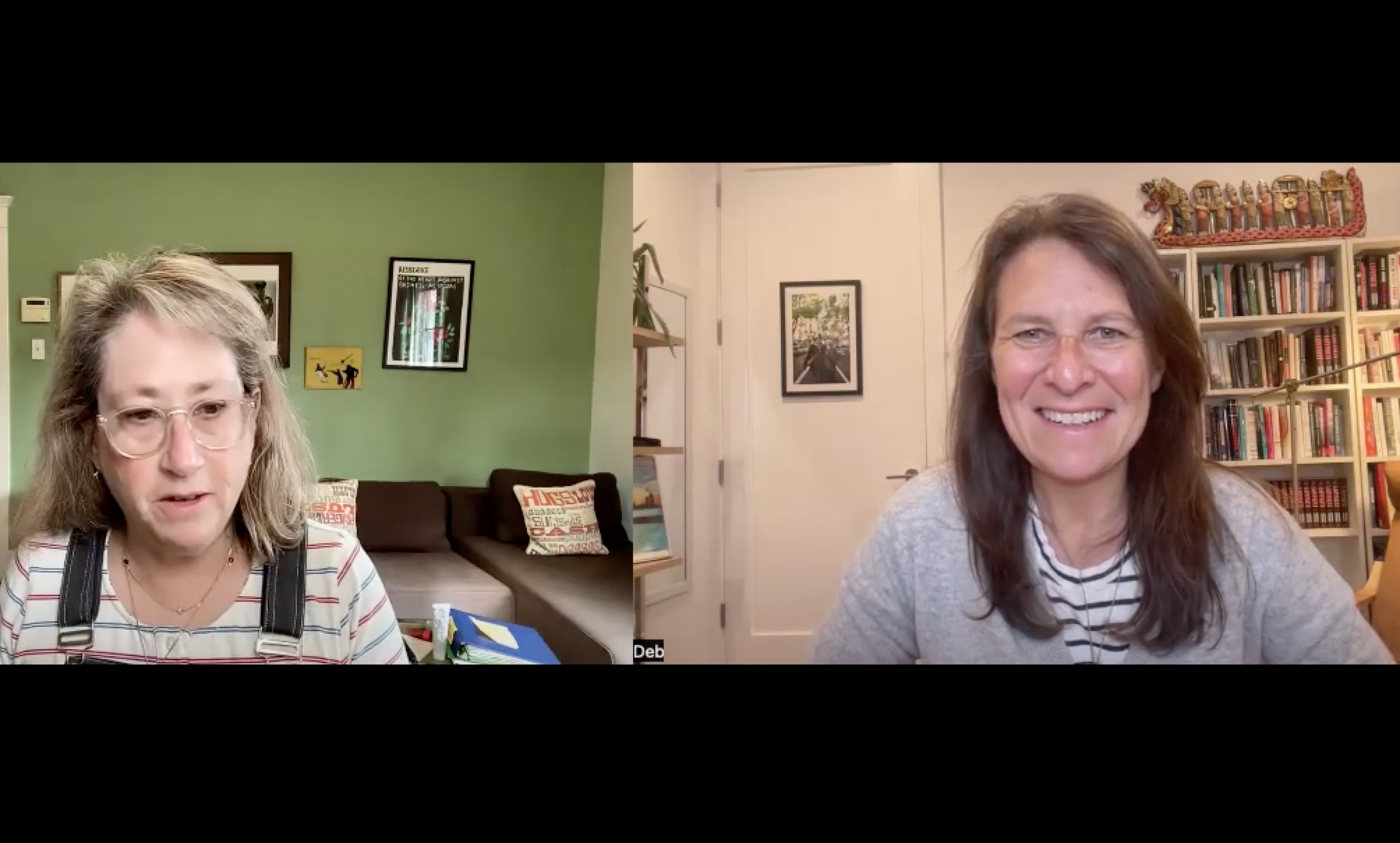
DEBORAH cOPAKEN FOR Lady Parts
An review of Walk With Me by author and photojournalist Deborah Copaken and an interview with director Heidi Levitt the challenges, sacrifices, and deep love required to navigate Alzheimer’s.
WALK WITH ME HEADS TO PALM SPRINGS INTERNATIONAL FILM FESTIVAL

"Our story is not niche. For whatever it's worth, this is actually quite a populist story, and we're just the lens through one family," Walk With Me director Heidi Levitt interviewed by Ema Sasic for the Desert Sun in advance of the Palm Springs International Film Festival
aN iNTERVIEW WITH jAVIER CHAVEZ AND hEIDI lEVITT AT AFI Fest 2024

Walk With Me director Heidi Levitt sits down with AFI Fest associate programmer Javier Chavez to discuss discovering her voice as a director and how her background as a casting director informed the process of making of the film.
AFI Fest 2024 Interview: Heidi Levitt on Bringing a Disease You Can’t See Into Sharp Relief in “Walk with Me”

The longtime casting director discusses turning the camera on herself and her husband in a battle against Alzheimer’s in this intimate doc.
Walk with me gets Best Documentary Feature Special Mention at HIFF

At the Hamptons International Film Festival, the documentary jury recognized “Walk with Me” with a Special Jury Prize for director Heidi Levitt’s “intimacy and generosity.”
A Conversation with Filmmaker Heidi Levitt in inside out

I made this film because I felt there was so much stigma around dementia. It is a silent pandemic, and people don’t understand how to talk about it and how to be inclusive. The American model is to build memory care units and separate those whose memories are intact from those who aren’t.